
What to Look for in a Quality Roofing Contractor
Understanding certifications, experience levels, insurance requirements, and warranties that separate quality contractors from mediocre ones.
Expert guides, industry standards, and helpful tools for your home improvement projects
Learn how to evaluate and select quality contractors for your home projects
Understanding certifications, experience levels, insurance requirements, and warranties that separate quality contractors from mediocre ones.

Why safety protocols matter, what standards contractors should follow, and how to verify that your roofer prioritizes worker and homeowner safety.
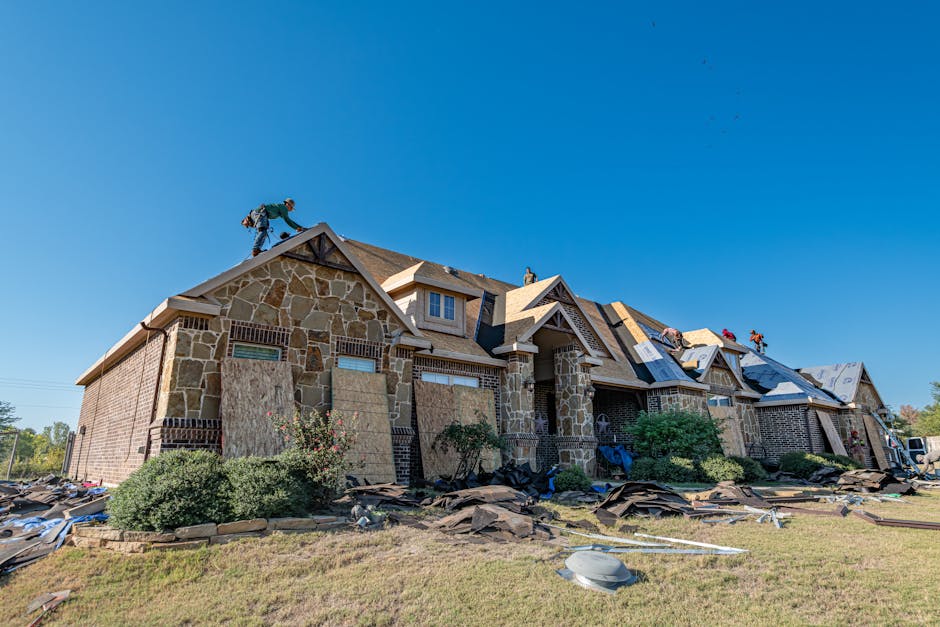
A practical checklist for researching contractors, verifying credentials, checking references, and comparing quotes before making your decision.

From initial assessment through final walkthrough: a step-by-step guide to planning successful home improvement projects with professional contractors.
Understanding what professional credentials and certifications mean

When evaluating roofing contractors, credentials and certifications serve as important markers of professionalism and expertise. These aren't just impressive letters after a name -- they represent actual training, adherence to standards, and demonstrated knowledge.
The industry has established clear standards for what quality workmanship looks like. Organizations that set these standards have been refining them for decades based on real-world experience and research. Understanding what contractors have invested in their professional development tells you a lot about their commitment to quality.
Curated links to industry authorities and consumer protection organizations
Common questions about hiring contractors and planning projects
Always request proof of licensing and insurance documentation before signing any contract. For Massachusetts contractors, you can verify their Home Improvement Contractor (HIC) registration directly through the state website. Check their general liability insurance, workers' compensation coverage, and ask for references from recent projects.
A detailed quote should include a complete project description, materials to be used, labor costs, timeline, warranty information, payment schedule, and terms. The more specific the quote, the fewer surprises you'll encounter during the project. Get at least three detailed quotes before comparing.
Most residential roof replacements take 2-5 days depending on the home's size, complexity, and weather conditions. Quality contractors will provide a realistic timeline during your initial consultation. Always ask about weather contingencies and how they handle unexpected issues like structural damage.
Quality roofing contractors typically provide 5-10 year workmanship warranties covering their installation labor. The roofing materials themselves often come with separate manufacturer warranties lasting 15-30+ years depending on the material. Always get warranty details in writing and understand what they cover.
Before your contractor arrives, document any existing damage with photos, note any recurring problems or concerns, have access to your home's construction/deed documents, and prepare a list of questions. Clear communication about your expectations and budget upfront prevents misunderstandings later.
Extending the life of your home improvement investments
Schedule annual inspections of your roof, siding, and other major installations to catch small issues before they become expensive problems.
Clean gutters, remove debris from roof areas, and follow manufacturer-recommended maintenance schedules to preserve your investment's lifespan.
Maintain records of all work completed, warranties provided, and maintenance performed. This documentation is valuable for future sales and warranty claims.
Use these resources to make an informed decision about your home improvement contractor
Armed with knowledge about contractor selection, industry standards, and your local protections, you're ready to find the right professional for your project. Remember that the lowest quote isn't always the best value -- quality and reliability matter far more in the long run.
Start Your Project